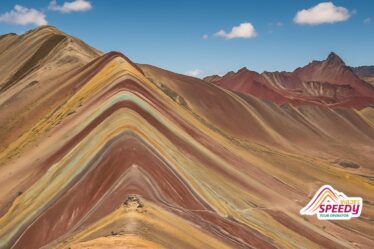
Jaroconca Mountain is a breathtaking and relatively undiscovered peak in the Andes, drawing adventurers, nature lovers, and cultural explorers seeking an authentic highland experience. Unlike more famous peaks, Jaroconca remains untouched by mass tourism, offering pristine landscapes, diverse wildlife, and deep cultural significance. Its dramatic slopes rise above lush valleys, alpine meadows, and crystal-clear streams, creating a natural playground for hikers and photographers alike.
The mountain’s name, Jaroconca, is rooted in local indigenous traditions and is often interpreted as “meeting of the peaks” or a sacred place where nature and spirituality converge. Communities around the mountain honor it as an apu, a guardian spirit, through rituals and storytelling that have endured for centuries. Visitors to Jaroconca are rewarded not only with breathtaking views and outdoor adventures but also with meaningful cultural experiences, making it a destination that blends natural beauty, ecological richness, and ancestral heritage into one unforgettable journey.
1. Location of Jaroconca Mountain
Jaroconca Mountain is situated deep within the Andes, likely in the Cusco region of Peru. It is surrounded by high-altitude valleys, rolling foothills, and glacial ridges, offering an authentic Andean experience far from crowded tourist trails. Unlike nearby famous peaks, Jaroconca receives far fewer visitors, providing a sense of solitude and discovery.
Accessing the mountain requires traveling to a nearby village or town, followed by a trek through scenic pastures and forested slopes. Local guides often accompany visitors, providing essential knowledge of the terrain, climate, and safety considerations. The remoteness of Jaroconca adds to its charm, ensuring that every journey feels like a genuine adventure into the heart of the Andes.
2. The Meaning and Origins of the Name
The name Jaroconca carries cultural and geographical significance. Linguistic interpretations suggest it means “meeting of the peaks,” symbolizing how the mountain stands at the convergence of surrounding ridges and valleys. This name reflects both the mountain’s physical prominence and its spiritual importance to nearby communities.
For local people, Jaroconca is more than a natural feature; it is a sacred guardian. In Andean cosmology, mountains often serve as apus, protective spirits that oversee the land and its inhabitants. Stories of ancestral leaders, rituals, and seasonal ceremonies are passed down through generations, linking the landscape to the community’s history, identity, and traditions.
3. Natural Beauty and Biodiversity
Jaroconca’s landscapes are diverse and dramatic. The lower slopes are covered in lush greenery and forests, transitioning into alpine meadows, rocky ridges, and rugged high-altitude terrain. Glacial streams and lakes punctuate the scenery, creating perfect spots for reflection and photography.
The mountain is home to a wide variety of plant and animal species adapted to high-altitude conditions. Wildflowers bloom in vibrant colors during spring and autumn, while birds, small mammals, and rare alpine flora provide nature enthusiasts with endless discovery. Sunrise and sunset cast brilliant colors across the slopes, making Jaroconca a dream destination for photographers and anyone seeking serene natural beauty.
4. Cultural and Spiritual Significance
Jaroconca holds profound cultural and spiritual value. Local communities regard it as an apu, a guardian spirit that watches over the land. Visitors may encounter stone altars, ceremonial offerings, or local festivals tied to seasonal changes and agricultural cycles. These experiences allow travelers to connect with centuries-old Andean traditions and understand the spiritual relationship between people and the mountains.
Artisans, storytellers, and musicians in nearby villages often draw inspiration from Jaroconca, incorporating its imagery into textiles, carvings, and folklore. Experiencing these cultural expressions adds layers of depth to a journey, making it more than just an outdoor adventure—it becomes a window into a living, breathing heritage.
5. Outdoor Activities and Adventure
Hiking and Trekking
Jaroconca caters to a variety of trekkers:
- Beginner and intermediate trails: Gentle paths through alpine meadows and pastures, ideal for scenic day hikes.
- Advanced treks: Multi-day routes leading to higher ridges, remote campsites, and panoramic viewpoints for more experienced hikers.
Guided tours are recommended for safety and for deeper insight into the ecology, geology, and cultural stories of the mountain.
Wildlife Observation and Photography
The mountain’s diverse habitats make it perfect for observing birds, small mammals, and unique plant species. Photographers can capture stunning alpine scenery, reflective lakes, and dramatic ridges. Wildlife encounters are often peaceful due to the mountain’s low visitor numbers, making it an ideal spot for nature lovers.
Cultural Exploration
Visitors can engage with local communities to witness traditional rituals, explore artisan workshops, and participate in storytelling sessions. These cultural experiences enrich the visit, connecting travelers with centuries-old practices that honor the mountain and the land.
6. Best Time to Visit
Planning the timing of a visit is important to ensure the best weather and trail conditions:
- Optimal months: March to June and September to November, when the weather is mild and skies are clear.
- Wet season: November to April brings frequent rain, which can make trails slippery.
- Winter conditions: Snow may appear at higher elevations, suitable only for experienced trekkers.
Because Jaroconca is remote, most visitors travel to a nearby village before trekking to the mountain. Hiring a local guide is strongly recommended for navigation, safety, and cultural insight.
7. Conservation and Sustainability
Jaroconca’s fragile ecosystems and cultural sites are increasingly protected by local communities and conservation initiatives. Visitors are encouraged to follow “leave no trace” principles, stick to designated trails, and respect sacred areas.
Efforts include monitoring wildlife, preserving native plants, and limiting tourist impact through permits or guided tours. These practices ensure that Jaroconca remains pristine, allowing future generations to enjoy its natural beauty and cultural heritage while supporting the communities who steward it.
Read More: Discovering the Hidden Majesty of Jaroconca Mountain
Conclusion
Jaroconca Mountain is a remarkable destination where nature, adventure, and culture converge. Its remote location in the Andes offers a peaceful retreat for hikers, photographers, and explorers seeking an authentic highland experience. Visitors are rewarded with breathtaking landscapes, diverse wildlife, and cultural encounters that provide a deeper understanding of Andean traditions and spirituality.
The mountain’s spiritual significance as an apu, or guardian, is evident in local rituals, storytelling, and community practices that continue to honor its presence. Unlike overcrowded tourist destinations, Jaroconca allows for solitude, personal reflection, and immersion in an environment largely untouched by modern development.
Sustainable tourism efforts help preserve both the natural ecosystem and cultural heritage, ensuring that Jaroconca remains a living, vibrant landmark. For anyone seeking a journey that combines adventure, discovery, and cultural enrichment, Jaroconca Mountain is a hidden gem that promises an unforgettable experience.
FAQs
1. How high is Jaroconca Mountain?
Jaroconca is a high-altitude peak in the Andes, offering challenging terrain suitable for trekking and mountaineering. Exact elevation may vary depending on sources.
2. Where is Jaroconca Mountain located?
It is located in the Andes, likely within Peru’s Cusco region, surrounded by valleys, ridges, and traditional communities.
3. What does “Jaroconca” mean?
The name is derived from local indigenous language, often interpreted as “meeting of the peaks,” highlighting both physical and spiritual significance.
4. What activities can I do at Jaroconca Mountain?
Hiking, trekking, wildlife watching, photography, and experiencing local culture and traditions are popular activities.
5. When is the best time to visit Jaroconca Mountain?
The ideal months are March–June and September–November, offering clear skies, mild weather, and optimal trail conditions.