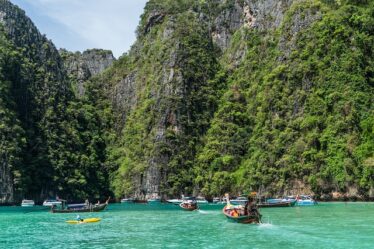
Montane ecosystems refer to the unique natural environments found on the slopes of mountains, typically between the lowlands and the alpine regions. The word “montane” comes from Latin montanus, meaning “of the mountains.” These regions are defined by a distinct climate, diverse vegetation, and specialized animal species that adapt to cooler temperatures and varying moisture levels. Unlike lowland ecosystems, montane areas experience temperature drops, increased rainfall or cloud cover, and shorter growing seasons, creating a series of life zones as elevation rises.
Montane zones are ecological hotspots that support high biodiversity, including many endemic species that exist nowhere else. They are vital for humans as well, acting as natural water towers by capturing precipitation and feeding rivers and streams downstream. Despite their importance, montane ecosystems are fragile and highly vulnerable to climate change, deforestation, and human activities, making their study and conservation a critical priority for environmental sustainability.
What Does “Montane” Mean?
The term montane describes landscapes, climates, and ecosystems located on mountains, usually in areas where forests and grasslands thrive but below the alpine zone. These ecosystems are characterized by cooler temperatures, higher precipitation compared to lowlands, and distinctive biological communities.
- Definition: Montane regions are mountain areas with unique ecological conditions and plant and animal life adapted to elevation.
- Origin: The word originates from Latin montanus, meaning “of the mountains.”
- Synonyms: Mountainous, highland, upland.
In ecology, montane regions are considered transitional zones between lowland and alpine areas, often containing multiple microclimates and life zones.
Climate and Zonation in Montane Regions
One of the defining features of montane environments is altitudinal zonation, which refers to the changes in climate, vegetation, and wildlife as elevation increases.
- Temperature: As altitude rises, temperature drops by roughly 6.5°C per 1,000 meters. This makes montane areas cooler than surrounding lowlands.
- Moisture: Mountains often capture cloud moisture and precipitation, resulting in higher humidity and rainfall.
- Life Zones: Montane regions typically include grasslands or shrublands at lower elevations, forests at mid-elevations, and shrub or alpine tundra near the tree line.
These gradients influence the types of species that can survive and the productivity of ecosystems, creating unique ecological niches and biodiversity hotspots.
Flora of Montane Ecosystems
Montane vegetation varies with altitude, latitude, and climate. Common patterns include:
- Montane Forests: Dominated by conifers such as pines, firs, and spruces, along with broadleaf species like oaks, maples, and rhododendrons.
- Cloud Forests: Found in tropical montane regions with persistent cloud cover, these forests are lush, moss-covered, and highly humid.
- Grasslands: Occur at moderate elevations with shallow soils or harsh conditions where trees cannot thrive.
Plants in montane areas are adapted to cooler temperatures, higher UV exposure, and shorter growing seasons. These ecosystems also serve as seed banks and habitats for pollinators and wildlife.
Fauna: Unique Animal Life
Montane ecosystems support diverse and often endemic animal species:
- Mammals: Species such as mountain gorillas, snow leopards, or spectacled bears inhabit isolated highland regions.
- Birds: Montane birds often migrate vertically with the seasons or adapt to cooler temperatures.
- Amphibians and Insects: Many have adapted to higher humidity, cooler climates, and specialized niches.
- Sky Islands: Isolated mountains create “sky islands,” which are separated habitats fostering unique evolutionary lineages.
The combination of microclimates, isolation, and altitudinal gradients makes montane ecosystems critical for wildlife conservation.
Ecosystem Services of Montane Areas
Montane ecosystems are essential for both nature and human societies:
- Water Regulation: Mountains capture rainfall, fog, and snow, feeding rivers, lakes, and groundwater reserves that supply agriculture and drinking water downstream.
- Carbon Storage: Montane forests store significant amounts of carbon, helping to mitigate climate change.
- Biodiversity Reservoirs: The variety of habitats supports a rich diversity of plant and animal life, including many endemic species.
- Cultural and Economic Importance: Montane regions provide timber, medicinal plants, grazing lands, and scenic landscapes for tourism and recreation.
By providing these ecosystem services, montane zones sustain both local and global ecological health.
Threats to Montane Ecosystems
Montane areas face numerous environmental pressures:
- Climate Change: Rising temperatures force species upslope, reducing available habitat and altering seasonal patterns like snowmelt and flowering.
- Deforestation: Logging, agriculture, and land conversion reduce forest cover and fragment habitats.
- Human Encroachment: Population growth leads to overgrazing, settlement expansion, and resource extraction.
Without effective conservation measures, montane ecosystems risk losing their biodiversity, water regulation capacity, and cultural value.
Regional Examples of Montane Ecosystems
Montane regions are found worldwide, each with unique characteristics:
- Himalayas: Support diverse forests and wildlife across wet and dry temperate zones.
- East African Highlands: Forests and moorlands host endemic species like the Aberdare bushbuck and African highland birds.
- Borneo Montane Rainforests: Cloud forests above 1,000 meters harbor endemic plants and rare wildlife.
- Rocky Mountains (USA): Montane zones support coniferous forests and grasslands, sustaining elk, bears, and diverse plant communities.
These regions highlight the ecological diversity and global importance of montane ecosystems.
Conservation of Montane Ecosystems
Protecting montane regions requires:
- Establishing protected areas and national parks.
- Promoting sustainable land use and forestry practices.
- Engaging local communities in conservation and resource management.
- Conducting scientific research to monitor climate impacts and biodiversity changes.
Conservation ensures the continued provision of ecosystem services and preserves unique species adapted to these highland habitats.
Read More: What Is Xiangaijiaqi.com and Why People Search It
Conclusion
Montane ecosystems, located between lowland areas and alpine peaks, are remarkable natural environments defined by distinct climates, vegetation, and wildlife. These areas host forests, grasslands, and cloud-covered ecosystems that are home to unique and often endemic species. Montane regions are essential for regulating water flow, storing carbon, and sustaining biodiversity. They also provide resources for human communities, including timber, grazing lands, and tourism opportunities.
Despite their importance, montane ecosystems are fragile and face increasing threats from climate change, deforestation, and human activities. Rising temperatures, habitat loss, and environmental degradation put their biodiversity and ecosystem services at risk. Protecting these highland regions through conservation, sustainable management, and scientific research is vital for maintaining ecological balance and supporting human livelihoods. By valuing montane ecosystems, we not only preserve scenic mountain landscapes but also ensure the survival of life that depends on these elevated environments.
FAQs
Q1: What does “montane” mean?
Montane refers to mountain regions and their ecosystems, including plants, animals, and climates unique to these elevations.
Q2: How is a montane ecosystem different from a lowland ecosystem?
Montane areas are cooler, often wetter, and have distinct vegetation and wildlife compared to lowlands at the same latitude.
Q3: Why are montane ecosystems important for water supply?
They capture rain, snow, and fog, feeding rivers, lakes, and groundwater that supply water downstream.
Q4: What plants grow in montane regions?
Montane vegetation includes coniferous and broadleaf forests, cloud forests, and high-altitude grasslands.
Q5: Are montane ecosystems threatened by climate change?
Yes. Rising temperatures push species to higher elevations, disrupt seasonal cycles, and reduce suitable habitats.