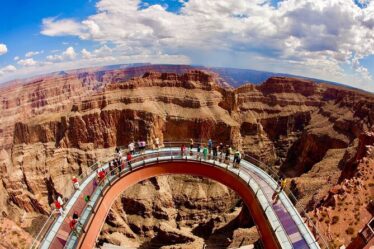
Jaroconca Mountain is one of the lesser-known yet breathtaking peaks in the Andes, offering an escape into raw natural beauty and cultural heritage. Unlike the more famous Andean landmarks, Jaroconca remains largely untouched, providing a tranquil and authentic experience for hikers, nature enthusiasts, and photographers. Rising to impressive altitudes, the mountain features alpine meadows, rugged cliffs, and unique ecosystems.
Its slopes are home to diverse flora and fauna, and the surrounding valleys host indigenous communities who view the mountain as sacred. Jaroconca invites visitors to experience adventure, serenity, and cultural connection all at once. For those seeking a blend of challenging trekking, scenic vistas, and spiritual enrichment, this hidden gem represents one of the most rewarding destinations in South America.
Location and Geography
Jaroconca Mountain is nestled in the Andes Mountains, which stretch along the western edge of South America. The mountain is situated near high-altitude plains and deep valleys, offering dramatic landscapes rarely seen by mass tourism. Surrounded by traditional villages, the area provides both access to local culture and the feeling of isolation in a pristine environment. While it may not appear on every tourist map, Jaroconca’s remote location adds to its allure for adventurous travelers.
The terrain ranges from gentle alpine slopes to jagged cliffs near the summit, with trails spanning multiple ecosystems. The mountain covers approximately 15–20 kilometers at its base, making it a vast and diverse area for exploration. Its unique formation has inspired its name, often interpreted to mean the “meeting of peaks” or “place where mountains embrace.”
Physical Features
Elevation and Terrain
Jaroconca reaches around 4,800 meters (15,748 feet) above sea level, making it a high-altitude mountain suitable for both intermediate and experienced climbers. The terrain varies significantly: the lower slopes are covered with alpine meadows and wildflowers, while the upper regions feature rocky ridges, steep inclines, and occasional snow patches.
Trails and Climbing
The mountain offers trails for different skill levels:
- Gentle Ridge Trails: Ideal for moderate hikers seeking panoramic views without extreme difficulty.
- Intermediate Routes: Require more stamina and may include rocky or uneven surfaces.
- Summit Expeditions: Multi-day treks for experienced mountaineers, often requiring camping at high altitudes.
Trail markers exist along main paths, but guided tours are recommended for safety and to ensure respect for local customs.
Climate
Jaroconca experiences a mountain climate, with sudden weather changes common throughout the day. Temperatures can fluctuate widely, warm during the day but dropping sharply at night.
- Dry Season (May–October): Best time for trekking; trails are clear, and weather is generally stable.
- Wet Season (November–April): Lush scenery with flowing waterfalls but slippery paths and potential hazards.
Preparation is essential: layered clothing, waterproof gear, and proper footwear are recommended.
Flora and Fauna
The slopes of Jaroconca host remarkable biodiversity:
- Flora: Alpine meadows bloom with endemic wildflowers and shrubs, creating vibrant landscapes.
- Fauna: Birds such as eagles, hawks, and hummingbirds inhabit the area. Mountain goats, deer, and smaller mammals can also be seen along trails.
- Ecological Value: The mountain supports microclimates and habitats that are crucial for conservation efforts, making it a haven for wildlife researchers and eco-tourists alike.
Cultural and Spiritual Significance
For local indigenous communities, Jaroconca is more than a mountain—it is a sacred entity. In Andean traditions, mountains, or “apus,” are revered as protectors and spiritual guides.
- Rituals and festivals honor the mountain, celebrating its presence and connection to ancestral traditions.
- Local stories and legends describe the mountain as a guardian of the valleys and a witness to generations of villagers.
- Art and crafts often depict Jaroconca’s silhouette, reflecting its enduring influence on cultural identity.
Visitors often find themselves not just hiking but also connecting with centuries of local spiritual and cultural heritage.
Trekking and Adventure
Popular Routes
- Southern Ridge Trail: Gentle slopes with sweeping views, suitable for moderate hikers.
- Crystal Peak Route: Steeper climbs offering panoramic photography opportunities.
- Summit Expedition: Long, challenging multi-day trek requiring physical endurance and preparation.
Guided tours enhance safety and provide insight into local flora, fauna, and cultural significance. Camping is possible along certain trails, allowing visitors to experience the mountain under starlit skies.
Activities Beyond Hiking
- Photography: Sunrise and sunset light creates dramatic vistas over peaks and valleys.
- Birdwatching and Wildlife Observation: Rare species inhabit the area, offering unique encounters.
- Cultural Visits: Explore nearby villages to witness local traditions, festivals, and crafts inspired by the mountain.
Accessibility and Visitor Tips
Accessing Jaroconca requires planning due to its remote location:
- The nearest transport hubs are hours away by car or bus.
- Certain areas require permits or guided access to protect sensitive environments.
- Travelers should be prepared for high-altitude trekking and variable weather.
Essential gear includes layered clothing, trekking boots, water, sun protection, and navigation aids. Visitors are encouraged to respect both the natural environment and local customs.
Conservation and Sustainability
Rising tourism has prompted local authorities to implement eco-friendly measures:
- Visitor caps help minimize environmental impact.
- Community-led eco-tourism initiatives support both conservation and local livelihoods.
- Strict rules regarding camping and waste disposal preserve trails and wildlife habitats.
These measures ensure that Jaroconca remains pristine while offering sustainable experiences for visitors.
Read More: Ultimate Guide to Travel Insurance
Conclusion
Jaroconca Mountain is a true hidden treasure of the Andes, offering a perfect balance of adventure, beauty, and cultural depth. Its striking landscapes—from alpine meadows and rugged cliffs to serene valleys—provide unforgettable trekking and photography opportunities. Beyond its natural allure, the mountain is a spiritual and cultural icon for local communities, enriching every visit with ancestral stories and traditions.
While challenging in parts, Jaroconca rewards explorers with both awe-inspiring views and profound connection to nature and heritage. Responsible tourism and conservation ensure that this gem will continue to inspire future generations. For those seeking a journey off the beaten path, Jaroconca Mountain is more than a destination—it is an invitation to explore, reflect, and immerse oneself in the timeless grandeur of the Andes.
FAQs
1. Where is Jaroconca Mountain located?
Jaroconca Mountain is located in the Andes Mountains of South America, near high-altitude plains and traditional villages.
2. How high is Jaroconca Mountain?
The mountain rises to approximately 4,800 meters (15,748 feet) above sea level.
3. Can beginners hike Jaroconca Mountain?
Yes, there are beginner-friendly trails, but guided tours are recommended for safety and local insight.
4. When is the best time to visit Jaroconca Mountain?
The dry season (May–October) offers the most stable weather for trekking and outdoor activities.
5. Do I need a permit to hike Jaroconca Mountain?
Certain trails and areas require permits to protect the environment, and some zones may require guided access.