Jaroconca Mountain, nestled deep within the Andes, is a stunning natural landmark that combines breathtaking landscapes, rich cultural heritage, and abundant wildlife. Unlike popular peaks, Jaroconca remains largely untouched, offering visitors a genuine connection with nature. Its soaring peaks, crystal-clear lakes, and lush valleys attract hikers, nature enthusiasts, and cultural explorers alike. Beyond its physical beauty, the mountain holds spiritual significance for local indigenous communities, who have revered it for centuries.
Exploring Jaroconca is more than just a trek; it is an immersive experience where adventure meets tradition, wildlife encounters, and the tranquility of the mountains. Every season transforms the landscape with unique colors, flora, and wildlife activity, making it a year-round destination for those seeking a combination of challenge, serenity, and cultural insight.
The Majesty of Jaroconca Mountain
Geography and Natural Features
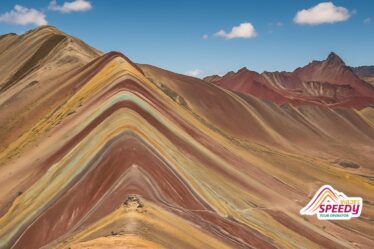
Jaroconca Mountain rises majestically in the Andes, reaching approximately 4,800 meters above sea level. Its slopes are a mosaic of landscapes, ranging from gentle alpine meadows to rugged rocky cliffs. Lower valleys are filled with vibrant forests, winding rivers, and flowering meadows, while higher elevations are stark, dramatic, and often snow-capped. The mountain stretches across 15–20 kilometers, creating diverse ecosystems that support a rich variety of plants and animals. Trails vary in difficulty, allowing both casual hikers and experienced climbers to explore its beauty.
Cultural and Spiritual Significance
The name “Jaroconca” originates from local indigenous traditions, often interpreted as “meeting of the peaks” or “where mountains embrace.” For centuries, Jaroconca has been considered sacred by nearby communities. Rituals and ceremonies have been conducted here for generations, connecting locals with the land and its natural energies. Folklore describes spirits inhabiting the mountain during certain times of the year, reflecting the deep cultural and spiritual importance of this remote peak. Visitors who take the time to engage with the local traditions gain a richer understanding of both the mountain and the communities it protects.
Flora and Fauna
Jaroconca Mountain is home to remarkable biodiversity. Its lower slopes are dense with shrubs, wildflowers, and ancient trees, while higher altitudes support hardy alpine plants. Unique orchids and rare mountain plants thrive in the rocky terrain. Wildlife is equally diverse — golden eagles soar above cliffs, mountain goats navigate steep paths, and deer, foxes, and numerous bird species inhabit the valleys. Nature enthusiasts and photographers find Jaroconca a treasure trove of opportunities to observe wildlife and study ecosystems in their natural state.
Adventure and Outdoor Activities
Jaroconca Mountain offers a wide range of adventure activities:
- Hiking and trekking: From short scenic walks to multi-day high-altitude treks, trails cater to all levels.
- Wildlife observation: Explore diverse ecosystems and spot rare species.
- Photography: Capture panoramic views, sunrise and sunset over the peaks, and seasonal changes in flora.
- Cultural exploration: Guided tours provide insights into indigenous traditions and folklore associated with the mountain.
For safety and deeper insight, guided treks are recommended, especially in high-altitude or challenging areas.
Sustainable Tourism and Community Engagement
Tourism at Jaroconca Mountain focuses on sustainability. Local communities operate eco-lodges, offer cultural tours, and provide handmade crafts, ensuring that tourism benefits both people and nature. Trail access is carefully managed to prevent environmental degradation, and visitors are encouraged to respect wildlife, minimize waste, and follow marked paths. This approach ensures that Jaroconca remains pristine and culturally meaningful for generations to come.
Best Time to Visit
The optimal time to explore Jaroconca Mountain is during the dry season, usually from May to October. Trails are safer, skies are clearer, and wildlife is more active. However, each season offers a unique experience: spring brings blooming wildflowers, summer creates vibrant greenery, autumn offers golden landscapes, and winter blankets the peaks in snow for a serene, quiet atmosphere.
Preparation Tips
To enjoy Jaroconca Mountain safely and comfortably:
- Wear sturdy hiking boots and layered clothing.
- Carry sufficient water and snacks for long treks.
- Use sun protection, especially at high altitudes.
- Hire a local guide to enhance safety and cultural understanding.
- Respect nature by staying on marked trails and minimizing waste.
Preparation ensures an enjoyable, safe, and environmentally responsible adventure.
Read More: Montane Ecosystems: Life Above the Lowlands
Conclusion
Jaroconca Mountain is not merely a peak; it is a living landscape of breathtaking natural beauty, cultural significance, and ecological richness. Its soaring cliffs, alpine meadows, and crystal-clear lakes offer unparalleled scenic experiences, while its rich biodiversity invites exploration and discovery. The mountain’s spiritual and cultural heritage connects visitors to centuries of indigenous traditions, highlighting the deep relationship between humans and nature.
For adventurers, the varied trails provide both challenge and reward, and for nature enthusiasts, the ecosystems offer an abundance of wildlife and plant life to study and admire. Sustainable tourism initiatives ensure that this remote mountain remains pristine, benefiting local communities and preserving its ecological integrity. Whether trekking its rugged slopes, witnessing its diverse flora and fauna, or learning from the indigenous cultures that honor it, Jaroconca Mountain offers an unforgettable journey. It is a place where nature, history, and adventure converge into a singular, transformative experience.
FAQs
1. Where is Jaroconca Mountain located?
Jaroconca Mountain is situated in the Andes, in a remote region accessible via trails and local roads.
2. How high is Jaroconca Mountain?
The mountain reaches approximately 4,800 meters above sea level, making it a high-altitude destination.
3. What does the name “Jaroconca” mean?
The name is derived from indigenous traditions, often interpreted as “meeting of the peaks” or “where mountains embrace.”
4. What wildlife can be seen at Jaroconca Mountain?
Golden eagles, mountain goats, deer, foxes, and numerous bird species inhabit the mountain and its valleys.
5. When is the best time to visit Jaroconca Mountain?
The dry season, from May to October, provides the best conditions for hiking, clear skies, and wildlife observation.