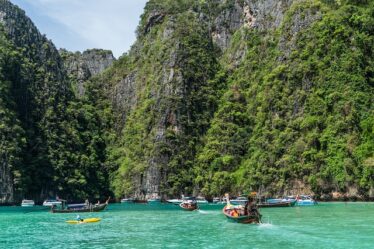
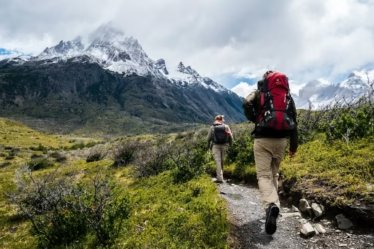
Jaroconca Mountain is a breathtaking destination hidden deep within the Andes, one of the world’s most iconic mountain ranges. Standing at approximately 4,800 meters (15,748 feet) above sea level, this peak offers an extraordinary combination of dramatic landscapes, rich biodiversity, cultural heritage, and thrilling adventure opportunities. Unlike crowded tourist spots, Jaroconca remains largely untouched, providing an authentic experience for hikers, nature lovers, photographers, and travelers seeking spiritual and cultural connections.
The mountain is a place where soaring peaks meet tranquil valleys, alpine lakes shimmer in the sunlight, and rare flora and fauna thrive. In this guide, we will explore Jaroconca’s geography, ecosystems, history, hiking routes, seasonal tips, safety considerations, and practical advice to ensure your visit is memorable and responsible.
1. Location and Geography of Jaroconca Mountain
Jaroconca Mountain is located in a remote region of the Andes, a mountain system stretching over 7,000 kilometers across South America. Its high elevation creates unique environmental zones that transition from lush forests and river valleys to alpine meadows, rocky cliffs, and glacial features. These varied landscapes support diverse ecosystems, each adapted to specific altitude ranges.
The mountain’s slopes rise sharply, offering panoramic views of the surrounding valleys and ridges. Its rugged terrain, combined with the shifting climate and geological formations, makes Jaroconca a visually stunning and ecologically significant location. The remoteness of the mountain ensures that the natural landscapes remain largely undisturbed, preserving both the environment and its cultural significance.
2. Natural Beauty and Ecosystems
Jaroconca Mountain is home to a remarkable diversity of plants and animals, many of which are endemic to the region. The lower slopes are covered with dense forests and shrublands, while the mid-elevations feature meadows filled with alpine flowers and resilient grasses. Higher elevations reveal rocky outcrops, cliffs, and glacial areas that provide habitat for mountain goats, llamas, and birds of prey.
Birdlife on Jaroconca is particularly impressive, with majestic condors, hawks, and other alpine species soaring above the valleys. The mountain’s flora is equally striking, with seasonal wildflowers creating vibrant carpets across meadows and slopes. For nature enthusiasts, botanists, and wildlife photographers, Jaroconca provides a rare opportunity to observe these ecosystems in a relatively pristine state.
The geological formations of the mountain tell a story of millions of years of tectonic activity and erosion, with cliffs, ridges, and rock faces showcasing the dramatic forces that shaped the Andes. Visitors can experience these formations up close while hiking, climbing, or simply enjoying the panoramic vistas.
3. Cultural and Historical Significance
Beyond its natural beauty, Jaroconca Mountain is deeply rooted in local culture and history. Indigenous communities regard the mountain as sacred, often incorporating it into spiritual practices, festivals, and traditional storytelling. The name “Jaroconca” is believed to mean “meeting of the peaks” or “place where mountains embrace,” reflecting both its physical form and symbolic importance.
For generations, local people have conducted ceremonies and seasonal rituals on the mountain, honoring natural cycles and ancestral traditions. Visitors who engage with these cultural practices often describe profound experiences, gaining insight into the spiritual and historical layers that make Jaroconca more than just a geographical landmark.
4. Hiking and Adventure Opportunities
Jaroconca Mountain offers a variety of trails suitable for different skill levels:
- Easy and Moderate Trails: These paths wind through forested areas and gentle slopes, making them suitable for families and casual hikers.
- Intermediate Trails: These routes include ridge walks, scenic loops, and moderate climbs, offering panoramic views and opportunities for wildlife observation.
- Summit Routes: For experienced climbers, the mountain presents multi-day expeditions that challenge both endurance and skill, requiring proper acclimatization and safety measures.
Guided tours are highly recommended, especially for higher elevations, as the terrain can be demanding and weather conditions unpredictable. Adventure seekers can also enjoy activities such as wildlife photography, alpine camping, and exploring hidden valleys and glacial lakes.
5. Climate and Best Time to Visit
Jaroconca experiences a high-altitude mountain climate with significant variations depending on the season and elevation.
- Dry Season (May–October): This period offers clear skies, stable weather, and safer hiking conditions, making it ideal for trekking and photography.
- Wet Season (November–April): Trails may become slippery, and sudden storms are common, but the vegetation is lush, and alpine flowers are at their peak.
Temperatures can fluctuate dramatically, with warm daytime conditions at lower elevations and freezing temperatures near the summit. Visitors should be prepared with layered clothing, waterproof gear, and sun protection to ensure comfort and safety.
6. Conservation and Responsible Tourism
Jaroconca’s pristine environment relies on responsible tourism. Conservation efforts include maintaining marked trails, regulating visitor numbers, and supporting local community initiatives. By adhering to these guidelines, visitors help protect the mountain’s fragile ecosystems and cultural heritage.
Tourists are encouraged to avoid leaving waste, respect local customs, and follow designated paths. Supporting local guides and eco-tourism programs contributes to sustainable development and ensures that both the natural environment and indigenous communities benefit from tourism.
7. Health and Safety Tips
Due to its high altitude, Jaroconca poses potential health challenges:
- Altitude Sickness: Common above 3,000 meters, symptoms include headaches, nausea, and fatigue. Gradual acclimatization, hydration, and rest are essential.
- Essential Gear: Hiking boots, layered clothing, sunglasses, sunscreen, navigation tools, water, and snacks are recommended.
- Weather Awareness: Rapidly changing conditions, including strong winds and storms, require preparation and caution.
- Guided Support: Hiring local guides enhances safety and provides cultural insights, especially for summit climbs.
By taking these precautions, visitors can enjoy the adventure while minimizing risks.
Read More: Zetlersont Product Fact: The Future of Transparent Product Information
Conclusion
Jaroconca Mountain is a hidden gem of the Andes, offering a unique blend of natural splendor, cultural depth, and adventurous experiences. Its soaring peaks, diverse ecosystems, and sacred traditions make it a destination that captivates every traveler. From lush alpine meadows and crystal-clear lakes to the thrill of high-altitude hikes, Jaroconca provides unforgettable opportunities for exploration, photography, and personal reflection.
Visiting this mountain responsibly allows you to experience its beauty while supporting local communities and conservation efforts. The combination of breathtaking landscapes, rich biodiversity, and spiritual significance sets Jaroconca apart from more crowded destinations, making it ideal for travelers seeking authenticity and tranquility. Whether you are an experienced mountaineer, a nature enthusiast, or a curious cultural traveler, Jaroconca Mountain promises experiences that resonate long after you leave, creating memories and connections that are both meaningful and transformative.
FAQs
1. How high is Jaroconca Mountain?
Jaroconca Mountain stands at approximately 4,800 meters (15,748 feet), making it a high-altitude peak suitable for experienced hikers and climbers.
2. What is the best time of year to visit Jaroconca Mountain?
The dry season from May to October is ideal for trekking and photography due to stable weather and clear skies.
3. Are there hiking trails for beginners?
Yes, there are easy and moderate trails suitable for beginners, though summit climbs require experience and proper preparation.
4. How can I prepare for the altitude?
Acclimatize gradually, drink plenty of water, rest often, and consider hiring a local guide for safety and guidance.
5. Do I need a permit to visit Jaroconca Mountain?
Basic visitor permits may be required, especially for certain areas or guided tours, to help protect the environment and local culture.