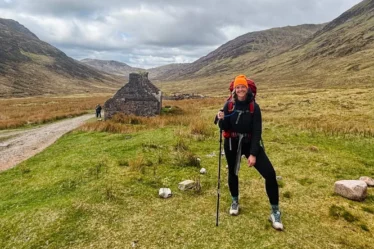
Jaroconca Mountain is one of the Andes’ most captivating lesser-known wonders—an untouched paradise of jagged ridges, sacred valleys, alpine lakes, and cultural depth. While Peru is better known for iconic peaks like Ausangate or Salkantay, Jaroconca remains a quiet marvel, shielded from commercial tourism and still rooted in ancient indigenous traditions. Rising thousands of meters above sea level, its slopes blend lush vegetation and high-altitude wilderness, creating a paradise for trekkers, photographers, nature enthusiasts, and cultural researchers.
To local communities, Jaroconca carries spiritual value, symbolizing resilience, protection, and connection to ancestors. For modern visitors, it represents opportunity—whether it’s trekking remote trails, observing biodiversity, or participating in authentic cultural exchanges with local villages. Jaroconca is not just a mountain; it is a living ecosystem and cultural heritage site that rewards those who seek authenticity over convenience.
1. Location, Geography & Accessibility
Jaroconca Mountain lies in a remote section of the Peruvian Andes, surrounded by small farming villages, terraced fields, and winding mountain roads. The Andes are the world’s longest continental mountain range, and Jaroconca contributes to the region’s diversity by sitting slightly outside mainstream trekking circuits.
Due to its isolation, reaching Jaroconca typically involves multiple stages—road travel from a major city to rural towns, followed by guided hikes or mule-supported expeditions into deeper valleys. This layered journey is part of its charm: travelers witness landscapes transforming from fertile agricultural zones to sharp limestone cliffs and alpine habitats.
The altitude varies by region, with different sources reporting elevations between 3,400 and 4,800 meters above sea level. This range provides distinct ecological bands and creates a balance of scenic beauty and climatic challenge. The air grows thinner, temperatures drop, and vegetation changes dramatically as you ascend.
2. Climate & Best Time to Visit
Jaroconca experiences significant temperature shifts due to elevation. Lower valleys are cool and comfortable during the day, while upper slopes remain cold year-round, sometimes dipping below freezing even in dry months.
The mountain has two main seasons:
- Dry Season (May–September)
The most favorable for trekking, photography, camping, and cultural tours. Clear skies provide panoramic views and stable trails. - Wet Season (November–April)
Lush green landscapes, waterfall replenishment, and cloud-covered peaks create beauty, but conditions are slippery, foggy, and more challenging.
Shoulder months (March–April and October–November) combine greenery with manageable weather and fewer visitors, making them excellent for travelers seeking quiet exploration.
3. Geological & Ecological Features
Jaroconca’s dramatic scenery stems from millions of years of tectonic uplift and erosion. The terrain mixes jagged limestone ridges, narrow plateaus, river valleys, boulder fields, and glacier-fed lakes. The diversity of shapes gives the mountain a rugged, ancient feel that captivates geologists and adventurous trekkers.
At sunrise and sunset, snow patches and limestone walls take on deep reds, golds, and purples—an effect that has inspired paintings, photography, and cultural metaphors in surrounding villages. Seasonal melting fills glacial lakes with sapphire-colored water that mirrors the surrounding peaks, making Jaroconca especially photogenic.
The top zones are rocky and barren, adapted to harsh winds and thin air. Lower areas support grasslands, herbs, wildflowers, hardy shrubs, and in some valleys, forest patches.
4. Flora & Fauna — Biodiversity Haven
Jaroconca’s elevation gradients allow multiple ecosystems to coexist. The mountain is home to:
High-altitude Plants
- Alpine grasses
- Cushion plants
- Mountain flowers blooming in short summer windows
- Medicinal plants used in traditional remedies
Forest & Meadow Species
- Hardy junipers and shrubs
- Mosses and ferns
- Orchids in sheltered zones
Wildlife Highlights
The region provides habitat for:
- Birds of prey including eagles and hawks
- Mountain goats and other hoofed mammals
- Small mammals adapted to rocky environments
- Occasional Andean fox sightings
Birdwatchers appreciate Jaroconca for its raptor activity, while plant biologists value endemic flowers and herbs. The solitude and low human impact have preserved wildlife corridors that are shrinking elsewhere in the Andes.
5. Cultural Heritage, Myth & Tradition
To indigenous communities, Jaroconca is a sacred guardian. It features prominently in oral traditions, ancestral myths, and agricultural rituals. Local legends describe the mountain as a spiritual protector connecting earth to sky.
Seasonal offerings and ceremonial walks occur in certain months, especially around planting and harvest periods. Village elders recount stories passed down through generations—some mystical, others historical. These narratives reinforce identity, unity, and respect for the natural world.
The mountain’s name is believed to derive from indigenous language roots meaning “meeting of the peaks” or “where mountains embrace,” expressing both physical geography and symbolic unity.
Jaroconca’s cultural value enhances its tourism appeal—not as a commodity, but as an immersive cultural classroom.
6. Trekking, Camping & Adventure Routes
Jaroconca supports a range of trekking experiences:
Beginner Routes
Lower slopes offer scenic walks through valleys, agricultural terraces, and forested foothills. These trails suit casual hikers and cultural tourists seeking village visits.
Intermediate Trails
These routes lead to ridge viewpoints, lakes, and plateaus. Moderate stamina is required, and they provide prime photography opportunities, especially during golden hours.
Advanced Expeditions
Multi-day high-altitude treks appeal to seasoned climbers. These routes require:
- Acclimatization
- Camping gear
- Experience with cold weather
- Navigation skills or trained guides
Expedition-style ascents sometimes include technical climbing depending on weather and chosen path.
7. Adventure Activities Beyond Trekking
Visitors can also enjoy:
- Wildlife observation
- Botanical tours
- Photography expeditions
- Cultural homestays
- Mountain meditation retreats
- Geological surveying
- Eco-tourism education
These alternative activities broaden Jaroconca’s audience beyond typical mountaineers.
8. Sustainability, Preservation & Ethical Tourism
Jaroconca’s environment is extremely sensitive. The cold climate slows plant regeneration, and human traffic can strain wildlife habitats. To protect the ecosystem, community-based conservation initiatives emphasize:
- Trail management
- Responsible waste disposal
- Limited visitor numbers in peak zones
- Local guide partnerships
- Cultural respect
Visitors are encouraged to follow “leave no trace” principles, stay on marked routes, and avoid disrupting wildlife or sacred sites. Sustainable tourism not only protects nature but contributes directly to village economies, reinforcing mutual benefit.
9. What to Pack for Jaroconca Mountain
Packing varies by season but generally includes:
- Sturdy hiking boots
- Layered thermal clothing
- Weatherproof jacket
- Gloves and hat
- Sunglasses and sunscreen
- Trekking poles
- Water and purification method
- First-aid kit
- Trail map or GPS
- Camera (optional but rewarding)
For multi-day treks, camping equipment and altitude medication may be necessary.
10. Local Experiences & Hospitality
Nearby villages provide homestays, traditional meals, ritual demonstrations, and access to storytellers and artisans. Local cuisine features Andean staples such as potatoes, herbs, grains, and proteins raised sustainably on mountain farms.
These interactions add cultural depth that transforms a simple trek into a holistic experience.
Read More: Xiangaijiaqi Travel: A Complete Guide to Smart, Inspiring
Conclusion
Jaroconca Mountain represents the purest version of Andean adventure—raw landscapes, sacred identity, ecological richness, and humble hospitality. It remains protected from mass tourism, allowing nature and culture to breathe without commercial stress. For trekkers, the mountain offers rewarding physical challenges and breathtaking views. For cultural travelers, it provides ceremonies, ancestral mythologies, and unique exchanges with indigenous families. For naturalists, it offers one of Peru’s most biodiverse high-altitude ecosystems.
Visiting Jaroconca is not only about climbing a mountain; it’s about learning from a landscape and a people who have lived beside it for centuries. The journey invites reflection on climate, heritage, sustainability, and human connection to land. Those who explore it with respect leave with a deeper understanding of the Andes and themselves. Jaroconca is, without question, a destination worth protecting, studying, and experiencing.
FAQs
1. Where is Jaroconca Mountain located?
Jaroconca is located in a remote region of the Peruvian Andes, surrounded by small villages and agricultural valleys.
2. How high is Jaroconca Mountain?
Elevation estimates range roughly between 3,400 and 4,800 meters above sea level, depending on sources and measurement points.
3. When is the best time to visit Jaroconca Mountain?
The dry season (May–September) is best for trekking and photography, while shoulder months offer lush greenery and fewer crowds.
4. Is Jaroconca Mountain difficult to climb?
Difficulty varies by route—lower trails are beginner-friendly, while high-altitude expedition routes require experience and acclimatization.
5. Why is Jaroconca Mountain culturally significant?
Indigenous communities consider it sacred, incorporating it into rituals, myths, agriculture, and ancestral identity.