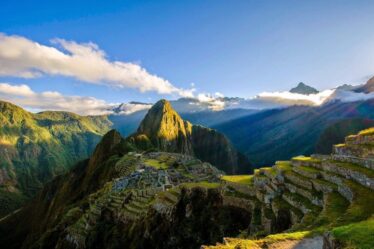
Jaroconca Mountain is one of the Andes’ best-kept secrets — a majestic yet lesser-known peak that captures the spirit of adventure, culture, and natural beauty in one extraordinary landscape. While the Andes are home to many famous mountains, Jaroconca stands apart for its raw wilderness, authentic indigenous traditions, and spiritual significance. Rising to high altitudes and surrounded by biodiversity, alpine valleys, and sacred folklore, it offers a unique experience for hikers, wildlife enthusiasts, and cultural travelers seeking a destination free from mass tourism.
Unlike commercialized hotspots that attract heavy crowds and staged experiences, Jaroconca remains largely untouched by global travel circuits. Visiting this mountain feels like stepping back in time — where trails remain rugged, communities remain culturally rooted, and nature remains unfiltered. From breathtaking ridges to vivid night skies, Jaroconca invites visitors to explore, reflect, and reconnect with nature’s deeper rhythms. It is a mountain that rewards curiosity, endurance, and respect.
1. Location and Geographic Significance
Jaroconca Mountain is located deep within the Andean region, an immense mountain chain that stretches the western flank of South America. Because Jaroconca is not a highly commercial or globally promoted summit, travelers often reach it through smaller towns, local guides, and lesser-mapped valleys. This creates an authentic travel pathway — one that exposes visitors to rural landscapes, indigenous settlements, and natural terrains rarely seen in mainstream tourism itineraries.
Geographically, Jaroconca encompasses steep ridges, alpine meadows, high-altitude lakes, and rock formations shaped over millions of years. The mountain’s geological history tells a story of tectonic uplift, erosion, and glacial activity. Weather also shapes the environment dramatically; sudden temperature drops, snow, and daylight shifts are common, reinforcing the mountain’s status as both challenging and awe-inspiring.
2. Cultural and Indigenous Importance
To understand Jaroconca fully, one must look beyond its physical form and into the cultural world it inhabits. For many Andean communities, mountains are not merely geographical structures — they are living spirits known as “apus.” These apus are guardians of people, valleys, animals, and ancestral lands. Jaroconca is seen as one such protector, a figure of reverence, offerings, and seasonal celebrations.
Indigenous groups have long woven Jaroconca into stories, music, textiles, and ritual practices. Ceremonies near the mountain may involve symbolic offerings to ensure harvests, protection, or spiritual balance. Travelers who arrive with respect occasionally witness these traditions firsthand, learning how nature and spirituality are intertwined in Andean life.
This cultural richness makes Jaroconca more than a hiking destination — it is a gateway into worldview, memory, and identity. It offers visitors the rare opportunity to experience mountain travel as a cultural dialogue rather than as a mere sporting pursuit.
3. Flora, Fauna, and Biodiversity Hotspot
Jaroconca Mountain lies within an ecological zone that supports stunning biodiversity. Despite its high elevation, seasonal plant life thrives — from low-growing alpine flowers to mosses and shrubs adapted to thin air and intense sunlight. During warmer seasons, the slopes burst into color as wildflowers emerge briefly before winter returns.
Animals are equally remarkable. Trekkers may encounter foxes, mountain goats, soaring birds of prey, and smaller endemic species that have adapted to the high Andes. These wildlife encounters contribute to the sense of wonder and unpredictability that defines visiting Jaroconca.
Scientists and conservationists value such regions because they reveal how life adapts to extreme environments. For nature lovers, photographers, and birdwatchers, Jaroconca offers a wilderness that feels remote and alive — governed not by tourism but by nature’s own pace.
4. Trekking and Hiking Experience
Jaroconca offers hiking routes for various levels of ability — from moderate trails at lower elevations to demanding summit climbs reserved for experienced trekkers. Beginners often explore grassland paths and meadow areas, where the terrain is steady and panoramic views emerge gradually. Intermediate routes weave through rocky plateaus, lakes, and lookout points suitable for day trips or multi-day treks.
Summit expeditions are more intense. These journeys can span several days, requiring proper gear, acclimatization, and sometimes the guidance of local experts. The ascent rewards climbers with sweeping vistas of valleys, neighboring peaks, and endless horizons that make the challenge worthwhile.
What sets Jaroconca trekking apart is its uncrowded nature. Unlike famous mountains with congested trails and guided caravans, Jaroconca provides solitude, quiet contemplation, and a stronger connection between traveler and terrain.
5. Weather and Best Seasons to Visit
Weather determines much of the Jaroconca experience. The best time to visit is during the dry season — typically from late May to October — when skies are clear, rainfall is minimal, and trekking conditions are stable. During this season, trails are accessible, photography is at its peak, and wildlife sightings increase.
The wet season brings heavy rains, slippery paths, and fog that obscures visibility. Yet, this period also transforms the valleys into greener, lush environments. Only experienced hikers typically explore during these months due to increased unpredictability.
Visitors who wish to avoid crowds and still enjoy favorable conditions often choose the shoulder months — such as late spring or early fall — when temperatures are mild and landscapes are vibrant.
6. Photography and Stargazing
Few mountains offer photographers such variety. Daytime scenes include cliffs, rivers, meadows, clouds, birds, and valleys layered in shadows and sunlight. Sunrise and sunset moments paint the sky in oranges, golds, and purples. High-altitude lakes act as mirrors, reflecting peaks in crystal clarity.
Once night falls, Jaroconca becomes a stargazer’s paradise. With almost no light pollution, the sky reveals constellations, meteors, and the Milky Way in astonishing detail. Many travelers consider these nighttime spectacles among the most memorable aspects of their trip, offering both beauty and serenity.
7. Local Food, Hospitality, and Cultural Immersion
Traveling to Jaroconca involves more than nature. Local communities serve traditional meals based on regional crops, high-altitude agriculture, and ancient cooking methods. Foods are hearty, warm, and nutrient-dense — suitable for high-energy trekking environments.
Hospitality is equally notable. Villagers treat visitors not as consumers but as guests. Travelers may be invited to hear stories, observe rituals, or learn about textile weaving, farming, or music. This cultural exchange adds emotional depth and authenticity to the journey.
8. Sustainability and Responsible Travel
Jaroconca remains pristine largely because tourism is limited and community-led. Many regions emphasize sustainability, respecting both land and culture. Travelers are encouraged to avoid littering, minimize ecological disruption, and engage respectfully with communities and traditions.
Such practices ensure that Jaroconca preserves its identity, ecosystems, and cultural heritage for future generations.
Read More: Smart Travel Planning with Xiangaijiaqi.com
Conclusion
Jaroconca Mountain is a destination defined not by fame but by authenticity. It blends culture, biodiversity, geology, spirituality, and adventure into one harmonious landscape, offering experiences found nowhere else. Travelers who journey to Jaroconca encounter far more than a mountain — they encounter a living cultural symbol, a sanctuary for wildlife, and a classroom of natural wonders.
Whether you are a hiker seeking new challenges, a cultural explorer interested in indigenous traditions, or simply someone longing for quiet landscapes and starry skies, Jaroconca provides a rare kind of fulfillment. In an age where travel is often rushed, packaged, and commercial, Jaroconca stands as a reminder that true exploration still exists for those willing to seek it.
FAQs
Q1: Where is Jaroconca Mountain located?
Jaroconca lies within the Andean region and is typically reached through rural towns and local trekking routes.
Q2: How high is Jaroconca Mountain?
Its peak reaches high-altitude elevations suitable for experienced mountain trekkers.
Q3: What makes Jaroconca unique?
Its uniqueness comes from cultural significance, biodiversity, spiritual traditions, and lack of commercial tourism.
Q4: When is the best time to visit Jaroconca?
The dry season (May–October) offers optimal trekking conditions and clear views.
Q5: Do you need a guide to hike Jaroconca?
While not mandatory for all trails, guides are strongly recommended for summit routes and cultural immersion.