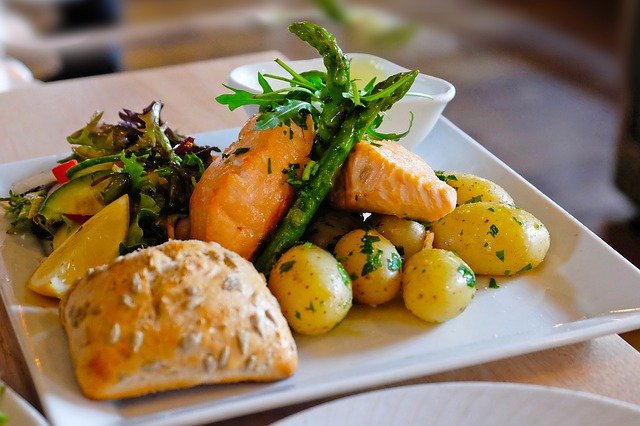
Traveling for food is one of the most enriching ways to explore a destination. Known as food tourism, it allows you to experience the culture, history, and community of a place through its cuisine. Instead of just visiting landmarks, you get to explore bustling markets, family-run eateries, and local culinary traditions. Whether you crave spicy tagines in Morocco, fresh pasta in Italy, or street food in Thailand, food travel transforms a trip into a culinary adventure.
More travelers, especially younger generations, are planning vacations specifically to explore food scenes, spending hours discovering must-try dishes and hidden gems. A well-planned food tour connects you with local culture, introduces you to unforgettable flavors, and creates lasting memories. This guide will help you design a food travel journey that is immersive, delicious, and authentic, so you can taste the world one bite at a time.
1. Why Food Travel Matters
Food is not just nourishment—it’s culture, history, and connection.
- Connect with Local Culture: Every region has its own culinary story. Sampling local dishes and visiting markets allows you to understand the people and traditions behind the food.
- Support Local Businesses: Dining at small, family-run eateries helps sustain local communities and preserve culinary heritage.
- Create Memorable Experiences: Food tours offer personal experiences that go beyond sightseeing. A street food stall in Bangkok or a pastry shop in Paris can leave lasting memories because it engages all your senses.
Exploring food makes your travel experience richer and more meaningful, turning meals into cultural lessons.
2. Research Before You Go
Planning your food journey before departure ensures you experience the best culinary offerings.
Learn Signature Dishes
Identify must-try local specialties like tacos in Mexico City, sushi in Tokyo, or curry in India. Understanding the regional cuisine helps you plan your itinerary and ensures you don’t miss iconic dishes.
Discover Local Favorites and Hidden Gems
Tourist areas often feature generic restaurants, while authentic flavors are found where locals eat. Use travel forums, blogs, and social media to uncover small eateries, markets, and specialty food shops. Asking locals for recommendations can lead to unforgettable culinary experiences.
3. Choosing the Right Food Tour
Food travel can be guided or self-planned.
Guided Food Tours
Ideal for first-time visitors or those seeking expert insights. Consider:
- Group Size: Smaller groups provide a more intimate experience.
- Focus of the Tour: Some tours highlight street food, while others emphasize fine dining or traditional cuisine.
- Knowledgeable Guides: Guides can explain the history, ingredients, and cultural significance behind each dish.
Self-Planned Food Tours
Perfect for travelers who prefer flexibility. Tips include:
- Mix street food, markets, and sit-down restaurants.
- Space meals to avoid overeating while still sampling a variety of dishes.
- Include cultural experiences like cooking classes or food demonstrations.
4. Planning a Balanced Food Itinerary
A thoughtful itinerary combines variety, authenticity, and pacing.
Must-Have Stops
- Local Markets: Discover fresh, seasonal ingredients and traditional snacks.
- Neighborhood Eateries: Small restaurants and street vendors often serve the most authentic dishes.
- Cooking Classes: Hands-on learning enhances your appreciation for local cuisine.
Structuring Your Day
- Start with breakfast, such as a local pastry or specialty coffee.
- Visit a market or small eatery for lunch.
- In the afternoon, enjoy street food tastings or a cooking class.
- Finish with a sit-down dinner featuring the destination’s signature dishes.
5. Engage with Local Culture
Food travel is more rewarding when combined with cultural awareness.
Understand Dining Customs
Different countries have specific food etiquettes. For example, slurping noodles in Japan shows enjoyment, while in Italy, cappuccino is usually reserved for breakfast.
Learn Basic Language Phrases
Knowing how to ask for ingredients, order dishes, or express thanks shows respect and can enhance interactions with local vendors and chefs.
6. Responsible and Sustainable Food Travel
Being mindful during your journey ensures you respect both culture and community.
- Respect Cultural Norms: Avoid ordering foods that are restricted by religion or local custom.
- Support Local Businesses: Choose restaurants and vendors who source ingredients locally and sustainably.
- Avoid Waste: Sample portions wisely and don’t over-order; this shows consideration for resources.
7. Safety and Practical Tips
Food travel can sometimes pose health or logistical challenges.
- Drink bottled or filtered water if unsure of local water safety.
- Carry basic medication for sensitive stomachs.
- Wear comfortable shoes since food tours often involve walking.
- Plan meal times to allow for digestion and sightseeing.
8. Capturing the Experience
Food travel is as much about memories as taste.
- Document Your Journey: Take photos, keep a travel journal, or note recipes and food discoveries.
- Share Your Story: Sharing your experiences can inspire others to explore food tourism and helps preserve cultural knowledge.
Read More: Family Travel Guide: Plan the Perfect Family Tour
Conclusion
A well-planned food travel tour is more than just eating—it’s about immersing yourself in culture, history, and community. By researching signature dishes, discovering hidden gems, and balancing guided tours with self-directed experiences, travelers can gain a deeper understanding of a destination.
Engaging with local culture, respecting customs, and supporting small businesses ensures a meaningful and responsible journey. Food travel encourages you to savor every bite, connect with people behind the dishes, and create lasting memories that go beyond traditional sightseeing.
With mindful planning, adventurous taste buds, and cultural curiosity, your culinary journey can transform an ordinary trip into a truly unforgettable experience. Traveling for food not only fills the stomach but also enriches the mind, heart, and soul, offering stories and flavors that will stay with you long after the trip ends.
FAQs
1. What is food tourism?
Food tourism is traveling specifically to explore a destination’s cuisine, including local dishes, markets, and culinary traditions.
2. How do I choose the best food tour?
Consider group size, guide expertise, type of cuisine, and reviews. Smaller, locally guided tours often provide the most authentic experience.
3. Should I learn local language phrases for food travel?
Yes. Basic food-related phrases help you order, ask about ingredients, and show respect for local culture.
4. What foods should I try when traveling?
Focus on regional specialties unique to the area, such as pasta in Italy, street curries in Thailand, or tagines in Morocco.
5. How can I make my food tour more authentic?
Eat where locals eat, explore markets, try street food, participate in cooking classes, and engage with chefs or vendors to learn the story behind the dishes.