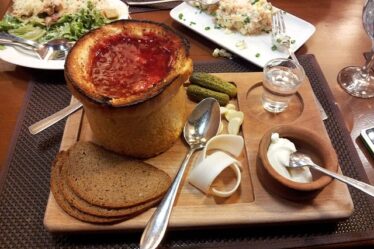
The idea of the Camino de Santiago can conjure images of humble rustic meals surrounded by new friends: simple bread, hard cheese, and perhaps a shared stew. This humble fare has its place after a hard day’s walking, but there is also a way to enjoy the trip with more refined food.
This is the “Gastronomic Route”, which is a nickname often given to the path that heads up the coastline of Portugal. Here, you will pass some of the finest seafood kitchens in Europe.
Cold water: Built different
To understand why the food here is so good, you really have to look at the ocean itself first. There is a huge biological difference between the Atlantic and the Mediterranean, and it reflects in the flavor profile of everything that comes from it.
The Med is warm and salty. It’s also a closed basin that didn’t always exist, and while beautiful, it lacks the fierce turnover of the open ocean. The Atlantic is a cold, churning engine. A cruel mistress if you’re out sailing in it. The water temperatures off the coast of Northern Portugal remain low all year round because of this churn.
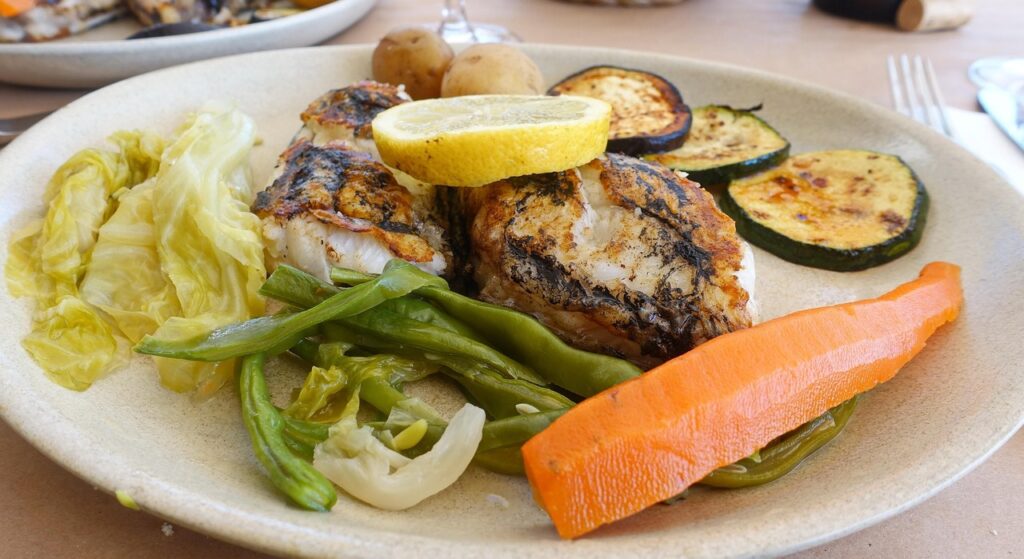
To survive in these cold aggressive currents, fish like sardines, mackerel and sea bass have higher fat stores. From a culinary perspective, this fat is the gold standard. It’s the fish oil we take as supplements for our brain, and it’s what provides the rich, buttery texture and umami flavor. Unlike the leaner, faster-growing species of warmer waters, Atlantic seafood is firmer and more intense.
Starting your culinary pilgrimage
The place to begin this feast is in the city that gave the country its name. By heading off on your journey from Porto, you can indulge in a “last supper” of urban proportions. This may be the last time where it makes sense to order Francesinha, which the city is known for (a sandwich of steak, ham, sausage covered in melted cheese and a beer-based tomato sauce).
As you begin to walk north, the scenery quickly changes to raw coastline – it doesn’t take long. This section of the Portuguese Camino Coastal route is essentially one fishing village after another, though they often each have their own specialty.
The catch of the day
A few miles north of Porto is Matosinhos. This might be your first stop for food. You’ll soon spot the white smoke and streets full of outdoor grills where fishmongers roast sardines directly over charcoal. It’s a very visceral dining experience that connects you to the local trade. Further north, you begin reaching the likes of Vila do Conde and Póvoa de Varzim. Both of these have menus that focus more on shellfish and rich stews like Arroz de Marisco (seafood rice).
The food changes again at Viana do Castelo, where the ties between the sea and the green hinterlands become clear. You tend to pair the octopus dishes (polvo) with Vinho Verde, the crisp green wine which is locally produced in Minho. The wine’s effervescence cuts through the richness of the olive oil and seafood.
All in all, the food is central to the Camino de Santiago trip. While the likes of Santiago Ways offer many routes, it’s perhaps the coastal routes that has the freshest food. What you’re eating at night may well have been in the sea that very morning – something that even the most authentic of farm-to-table restaurants would struggle to achieve.